
HMI Receives CESI Award from CBU's Division of Social Work
At a time when organizations serving refugees and immigrants are navigating uncertainty, moments of recognition like this are what keeps our organization going and sit at the heart of HMI's mission.
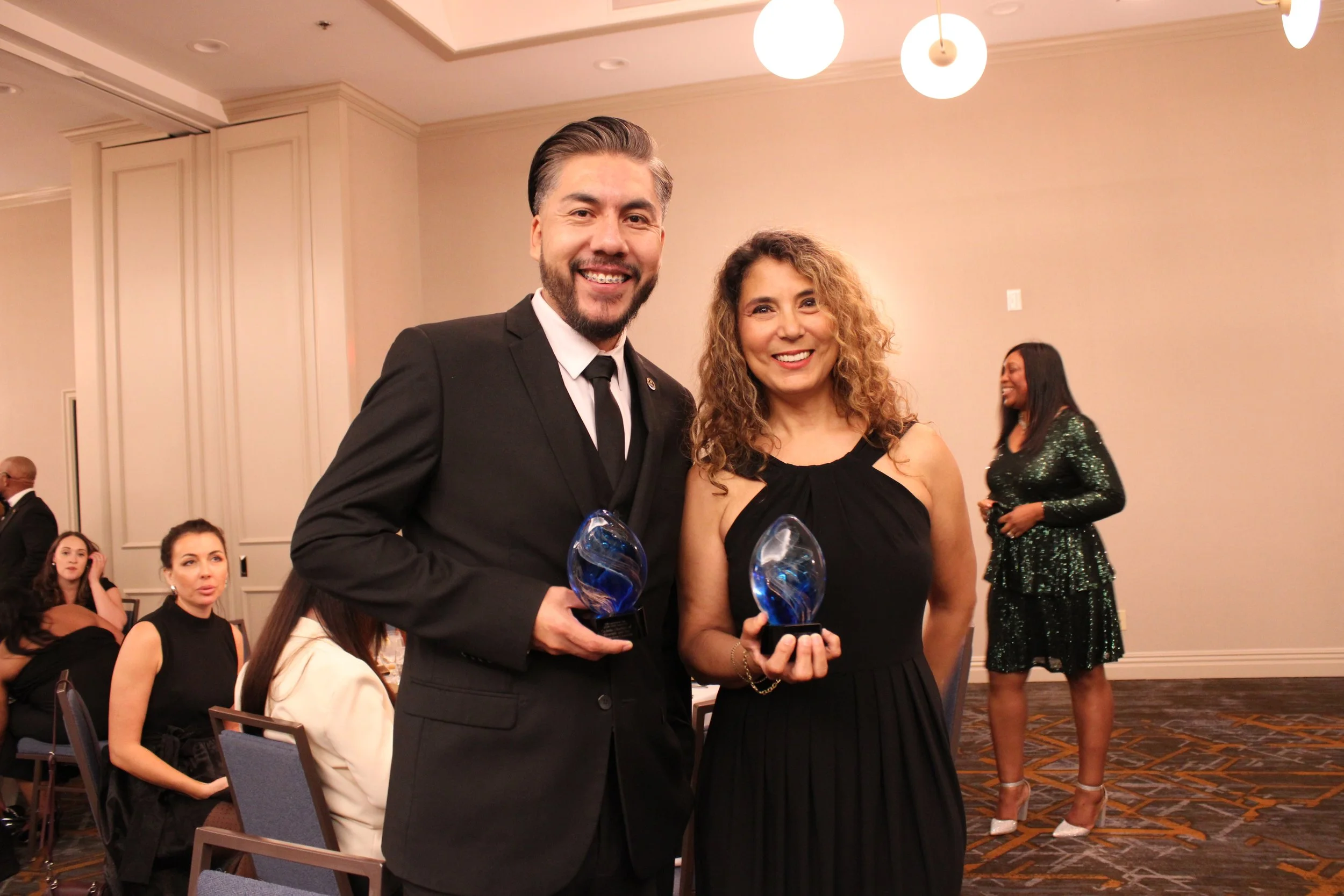
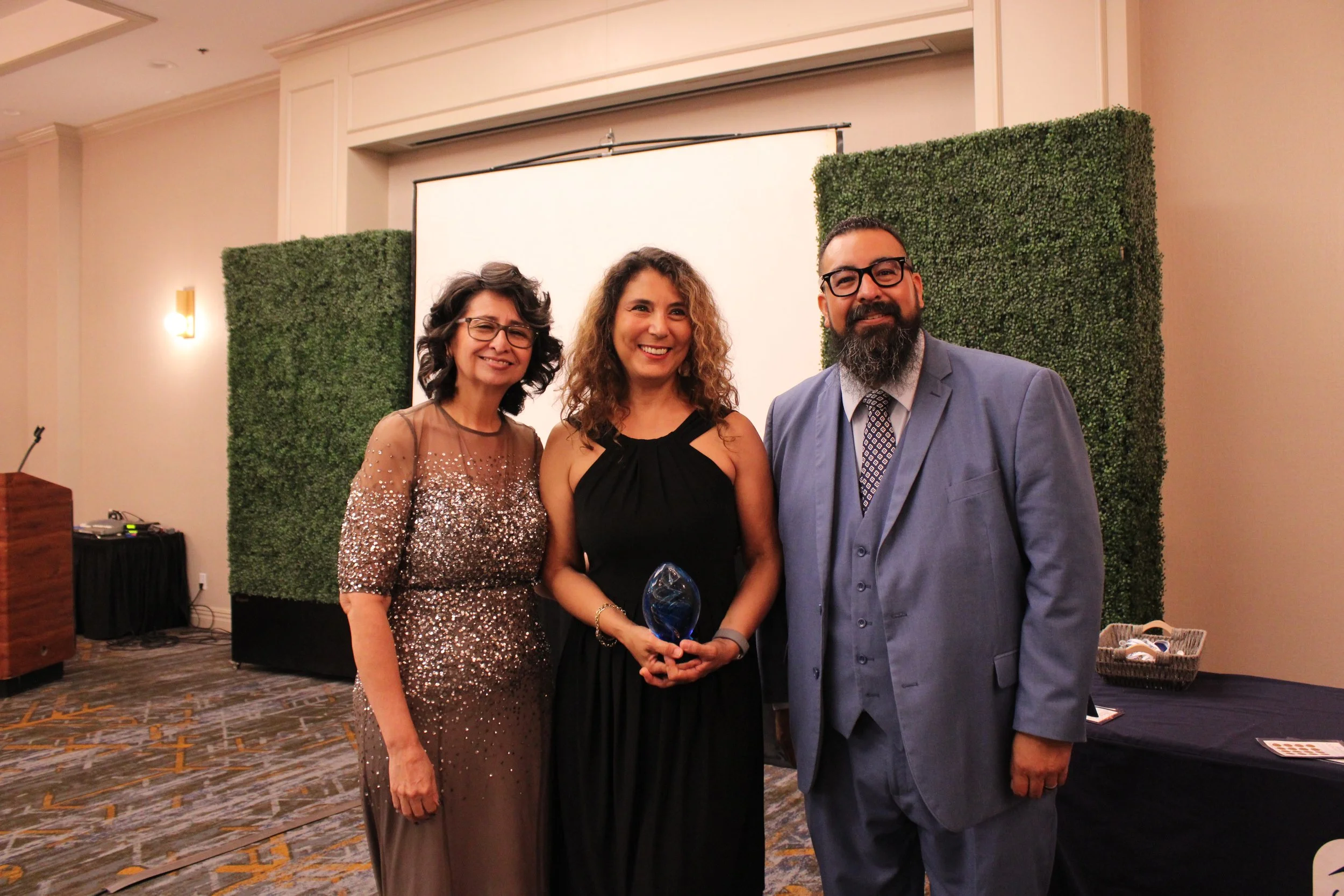
Human Migration Institute (HMI) is proud to receive the 2026 Center for Community Engagement and Social Innovation (CESI) Award from California Baptist University’s Division of Social Work. This was presented under this year's theme, Global Migration and recognizes a beautiful partnership rooted in education, service, and a shared commitment to strengthening communities.
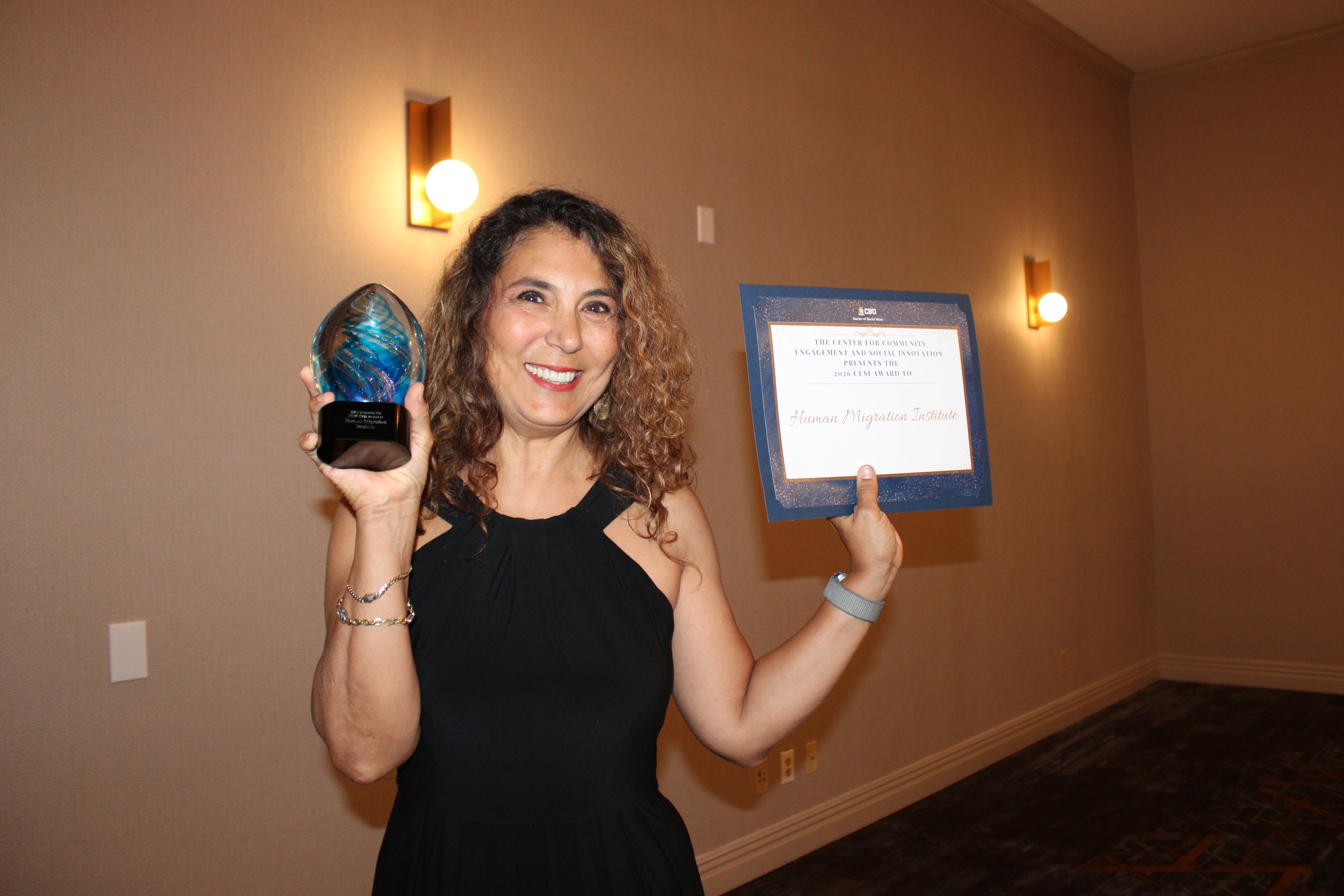
Our founder and President acknowledged this award.
“Thank you, CBU. This award really means a lot to HMI. In a time when the wind disappear, we are excited to keep building a community where everyone belongs!”
-Dr. Selin Nielson
During her remarks, Dr. Nielson reflected on the people who have shaped HMI's journey from the very beginning. She recognized Dr. Amy Stump, a CBU professor, whose guidance and encouragement helped inspire the founding of Human Migration Institute more than eleven years ago, and expressed gratitude to the many community partners who have believed in HMI's mission along the way.
She also celebrated the incredible team that makes HMI's work possible every day. Today, HMI is strengthened by staff whose lived experiences reflect the very communities we serve, including team members from Afghanistan, Ukraine, and Türkiye. Their experiences, resilience, and dedication continue to shape the organization's mission and its commitment to building communities where everyone belongs.
HMI has worked alongside CBU students and graduates for years, recruiting from their programs and working alongside initiatives that push more services for everyone.
Bridging the Classroom and Community
The recognition came at the conclusion of CBU's three-day Doctor of Social Work (DSW) Residency, where HMI joined faculty and students for several days of learning and service.
Throughout the residency, HMI introduced participants to our mission, programs, and the communities we serve. We also participated in an experiential learning activity exploring one of the greatest challenges facing both social workers and the families they support: limited resources and the purpose behind the hygiene care
This would all lead up to 50 hygiene kits distributed to individuals and families through our services.
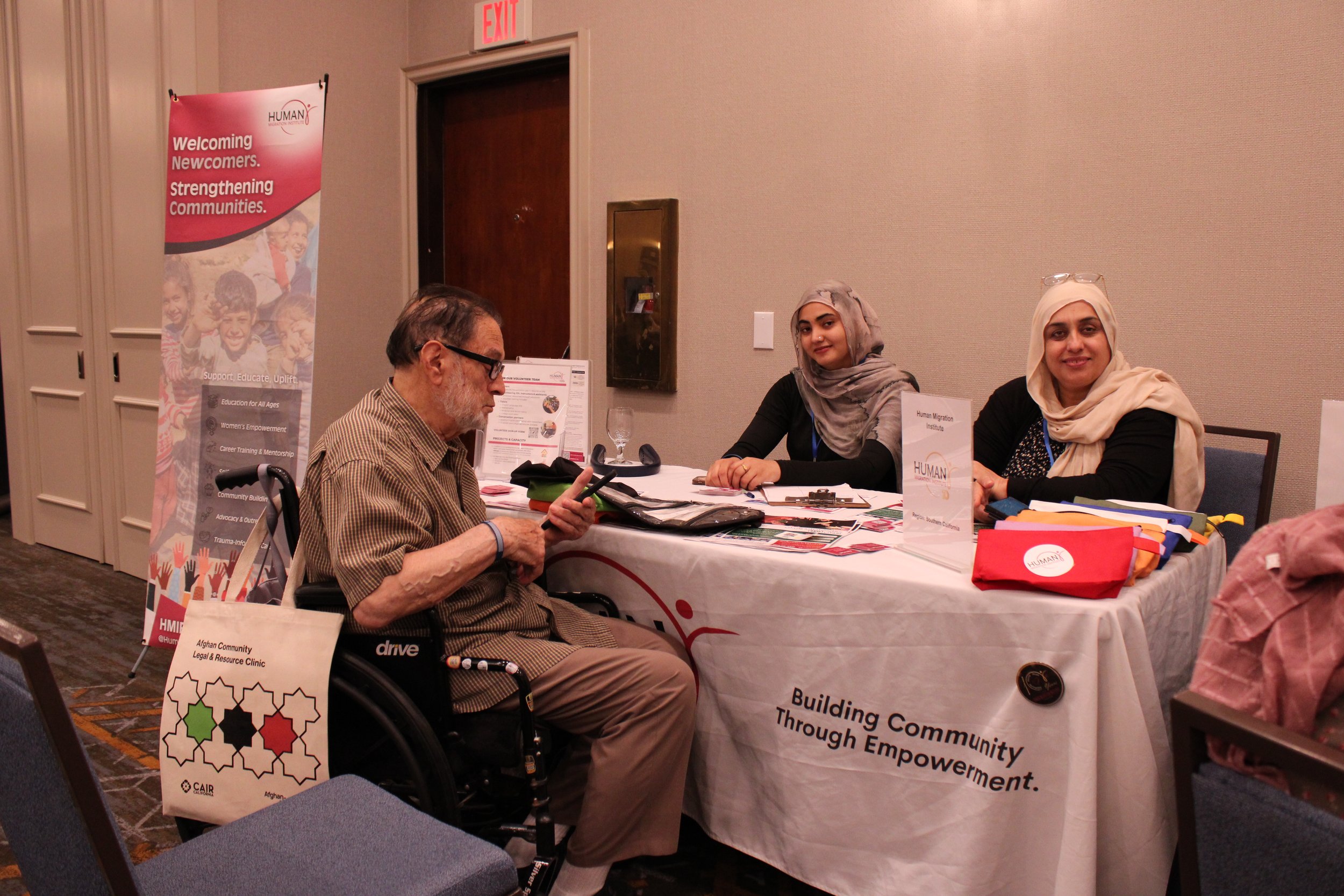
To build on those conversations, CBU's Doctor of Social Work program facilitated an interactive resource scarcity exercise inspired by the realities social workers encounter every day.
Participants were divided among tables and then each table responsible for one essential hygiene item, such as toothbrushes, body wash, or feminine hygiene products. Their task was to gather enough supplies to complete care packages by requesting items from other tables.
What seemed straightforward quickly became actually more complicated as the challenges were layered with the implementation of real life responses.
Some participants found themselves repeatedly asking for basic necessities only to be turned away because supplies needed to be preserved for future clients. Others struggled with deciding whether to share what they had, knowing there might not be enough for everyone. A simple request for a toothbrush or bottle of body wash became an exercise in navigating scarcity when the tables started to run out or ration supplies to keep up with the demand. The uncertainty left others at a stand and difficult decisions.
When the exercise concluded, participants reflected on what they experienced.
Many described feeling frustrated by how difficult it was to obtain something as basic as a hygiene product. Others spoke about the hard reality of denying requests for help and deciding who should receive limited resources. Some reflected on interactions that felt impersonal or dismissive, while others recognized how personal assumptions and unconscious bias can influence who receives empathy and assistance.
The discussion highlighted an important reality: behind every request for support is a person, and behind every difficult decision is often a system operating with limited resources.
For social workers, this exercise is not a simulations—they are part of everyday practice. Balancing compassion with finite resources requires resilience, creativity, and collaboration. It also contributes to the emotional strain and burnout many professionals experience while working to support vulnerable communities.
From Understanding to Action
Following the exercise, participants worked together to assemble hygiene care packages that will directly support individuals and families served by HMI.
By combining reflection with service, students moved beyond simply discussing resource scarcity and became part of a collective effort to help address it. The experience reinforced how meaningful partnerships can connect classroom learning with tangible community impact.
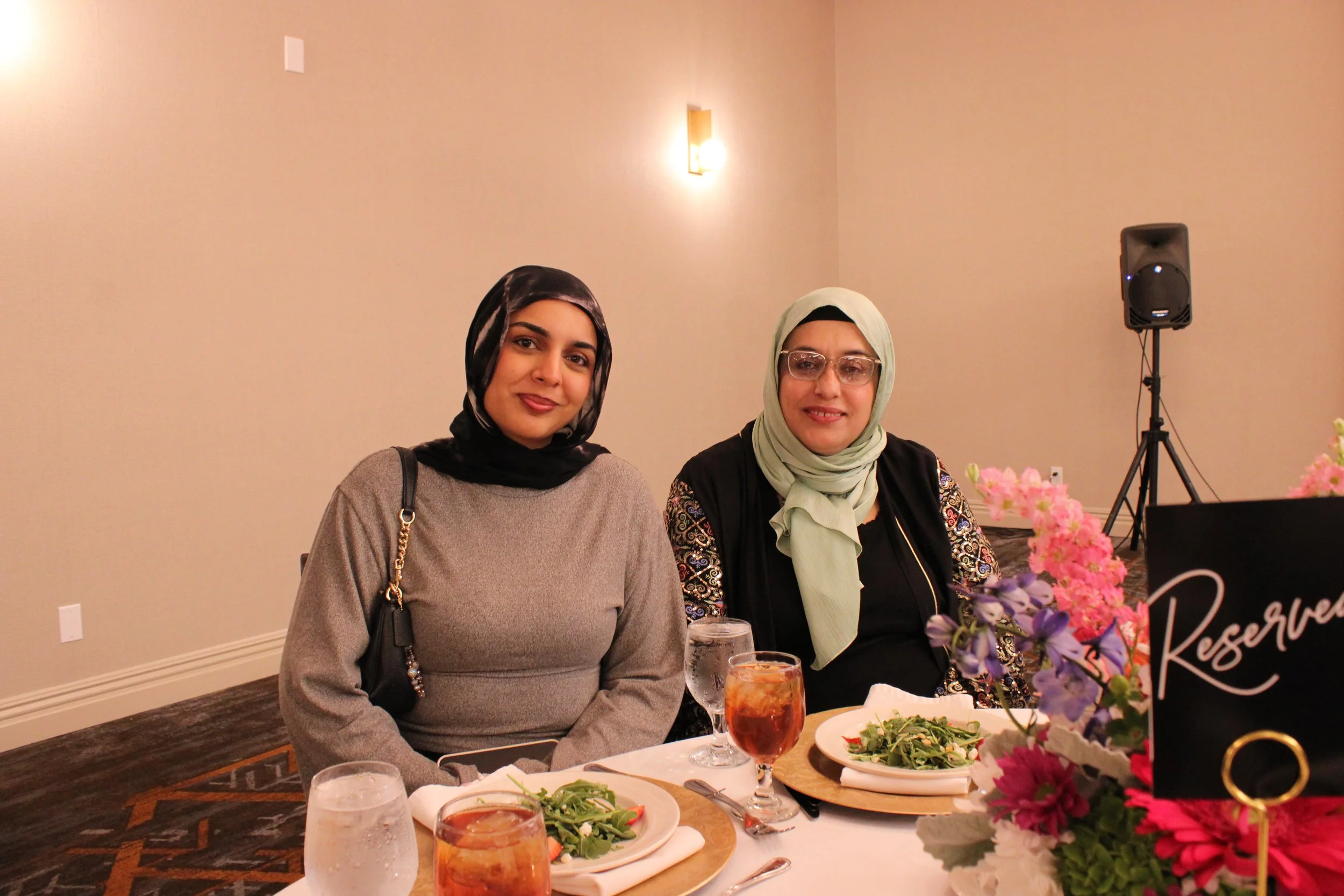
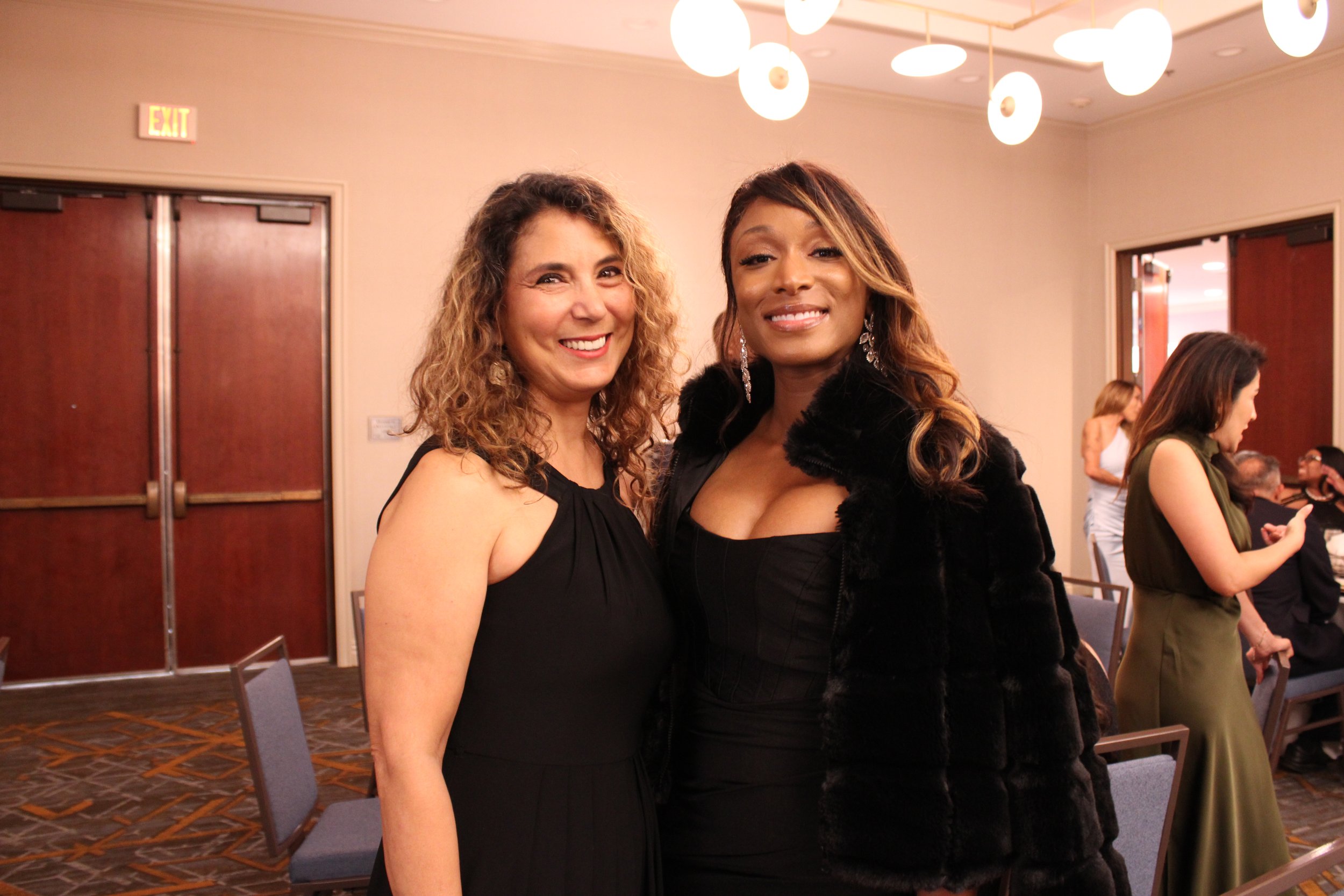
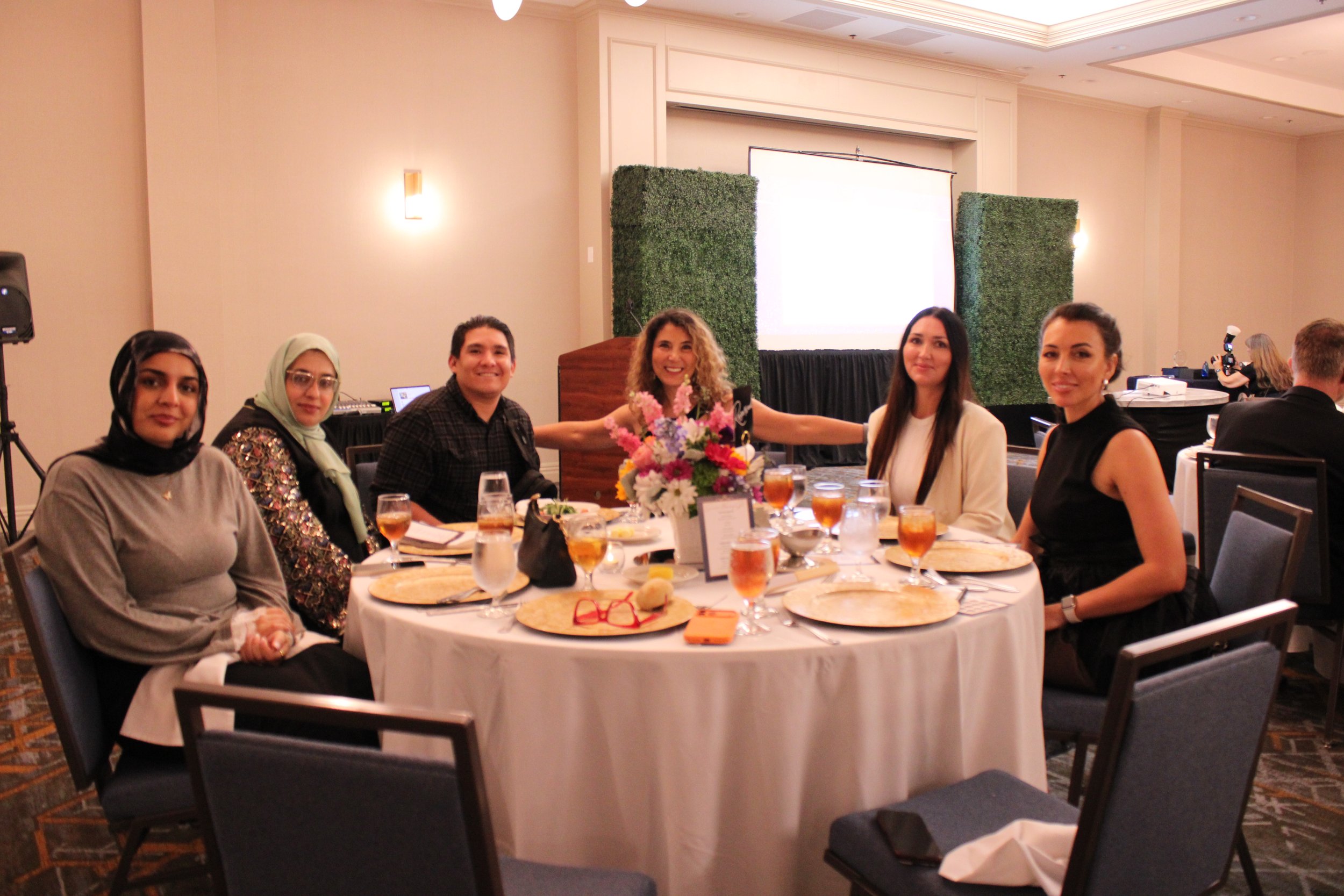
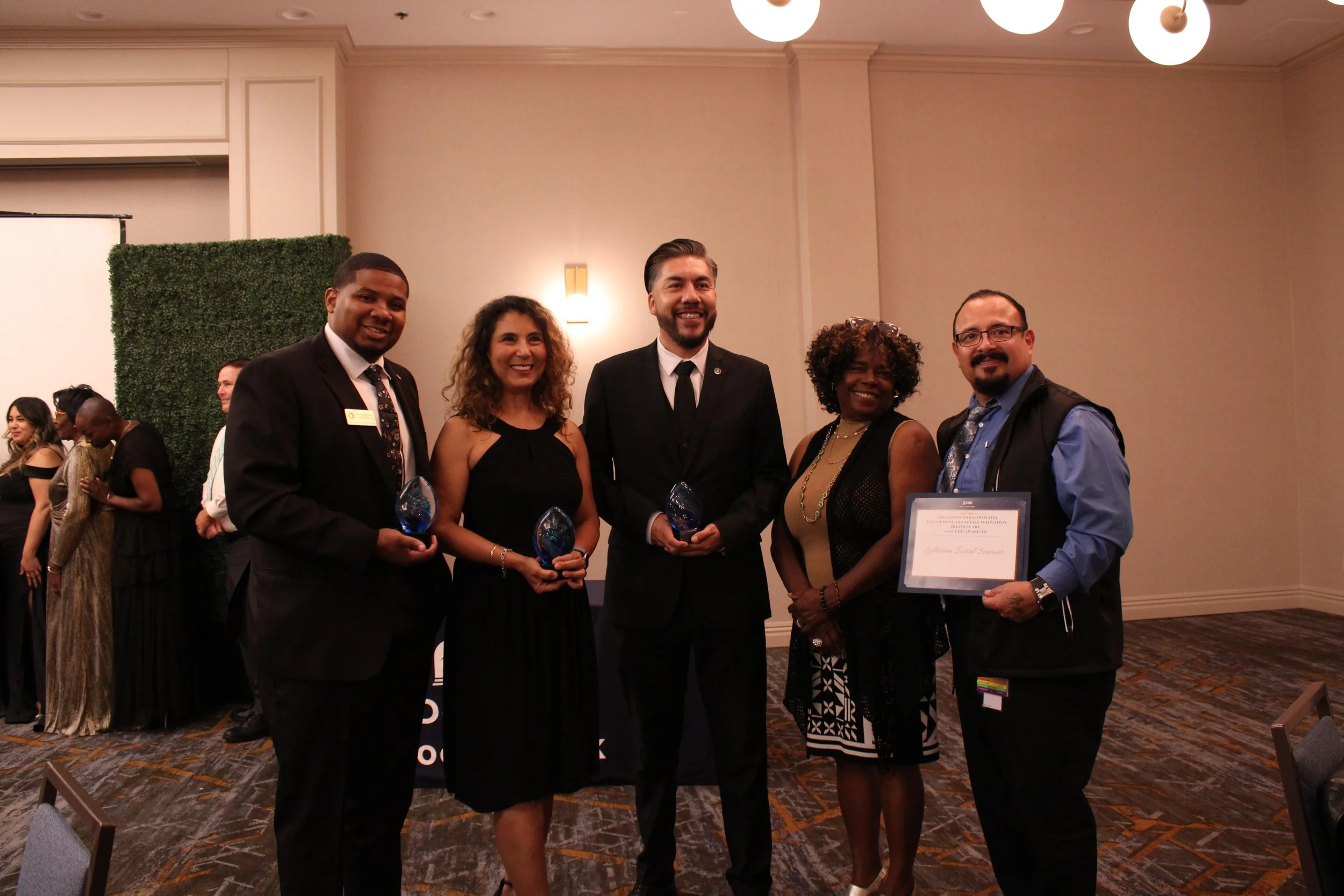
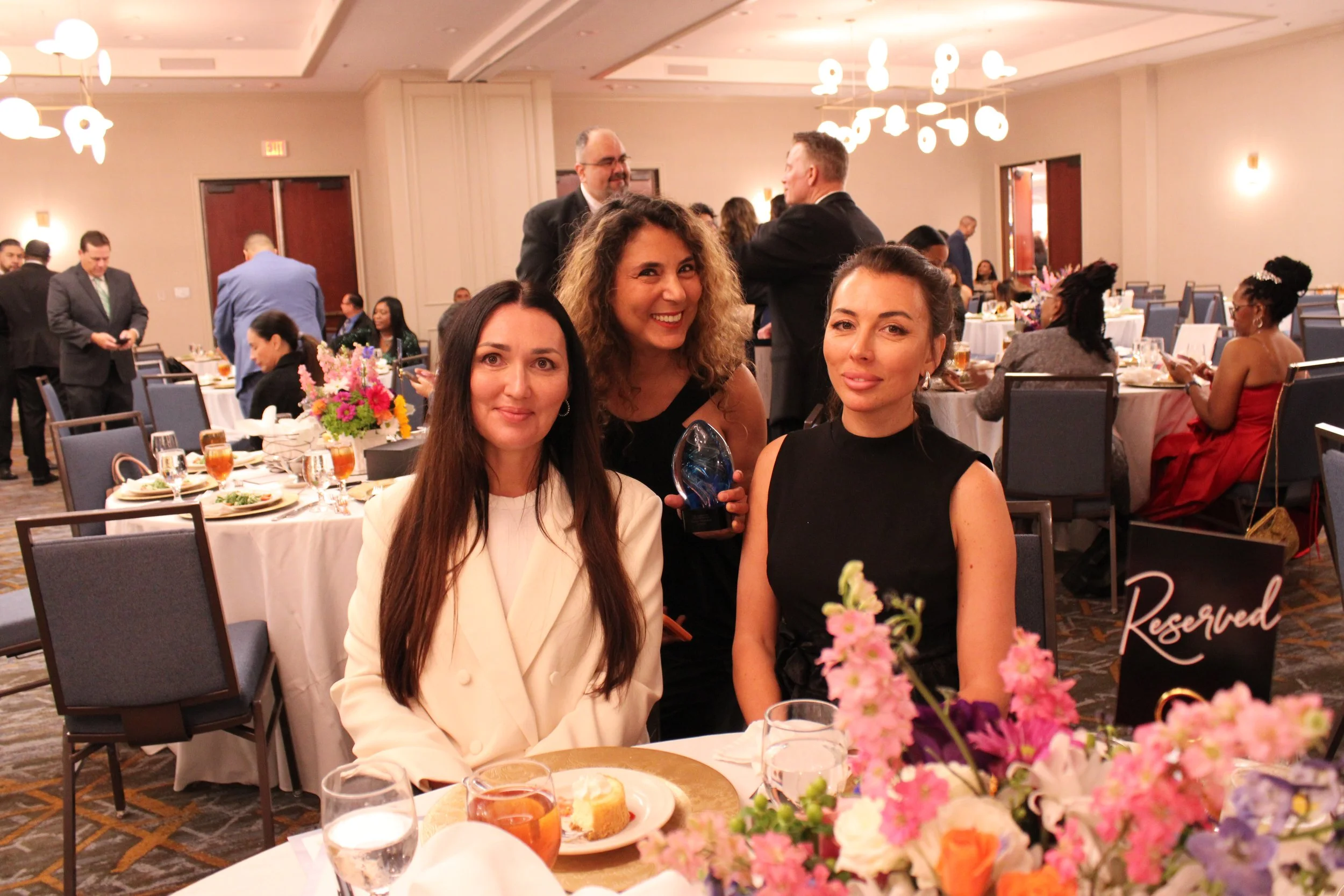
Receiving the 2026 CESI Award at the Executive Networking Gala immediately following the residency made the experience especially meaningful.
A Night that Keeps on Giving
The award recognizes more than a single event. It reflects a growing partnership between Human Migration Institute and California Baptist University—one built on shared values, a history of collaborative learning, and a commitment to preparing future social workers while strengthening the communities we serve.
We were grateful to have Danny join us and enjoy the night as he shared his lived experience as an immigrant from Venezuela.
We are also grateful for the opportunity to celebrate alongside our fellow CESI Award recipients, Lutheran Social Services of Southern California and Catholic Charities of Riverside & San Bernardino Counties. We welcome the opportunity to connect with graduates of the program and student awardees. Their dedication to serving vulnerable communities reflects the spirit of collaboration that makes this work possible, and we are honored to be recognized alongside organizations making such a meaningful impact.
We are deeply grateful to the Center for Community Engagement and Social Innovation program, faculty, students, and everyone who contributed to this experience.
As HMI continues to face challenges we are dedicated to serving refugee and immigrant communities. This recognition strengthens our commitment to building partnerships that educate, inspire, and create meaningful opportunities for service.
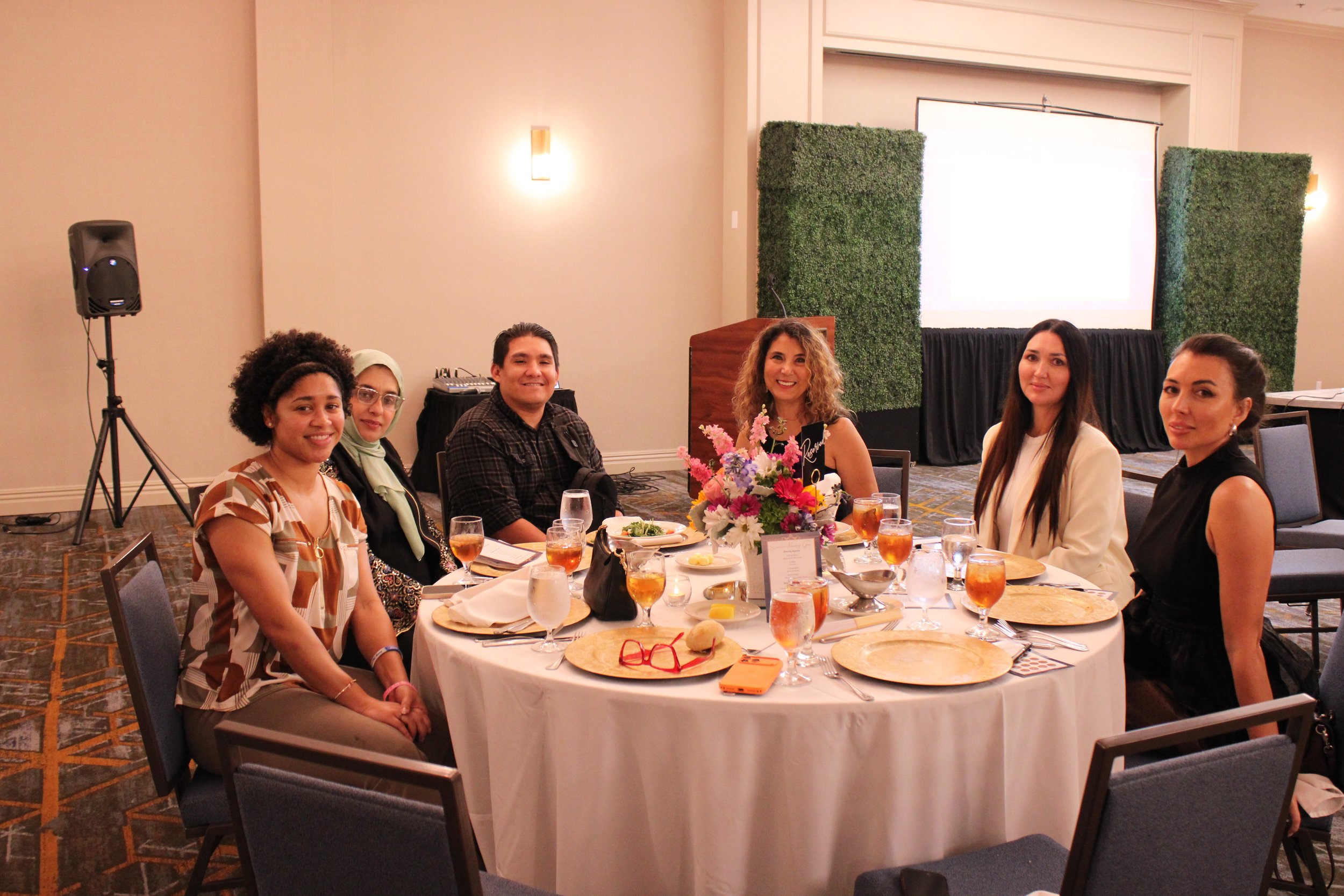
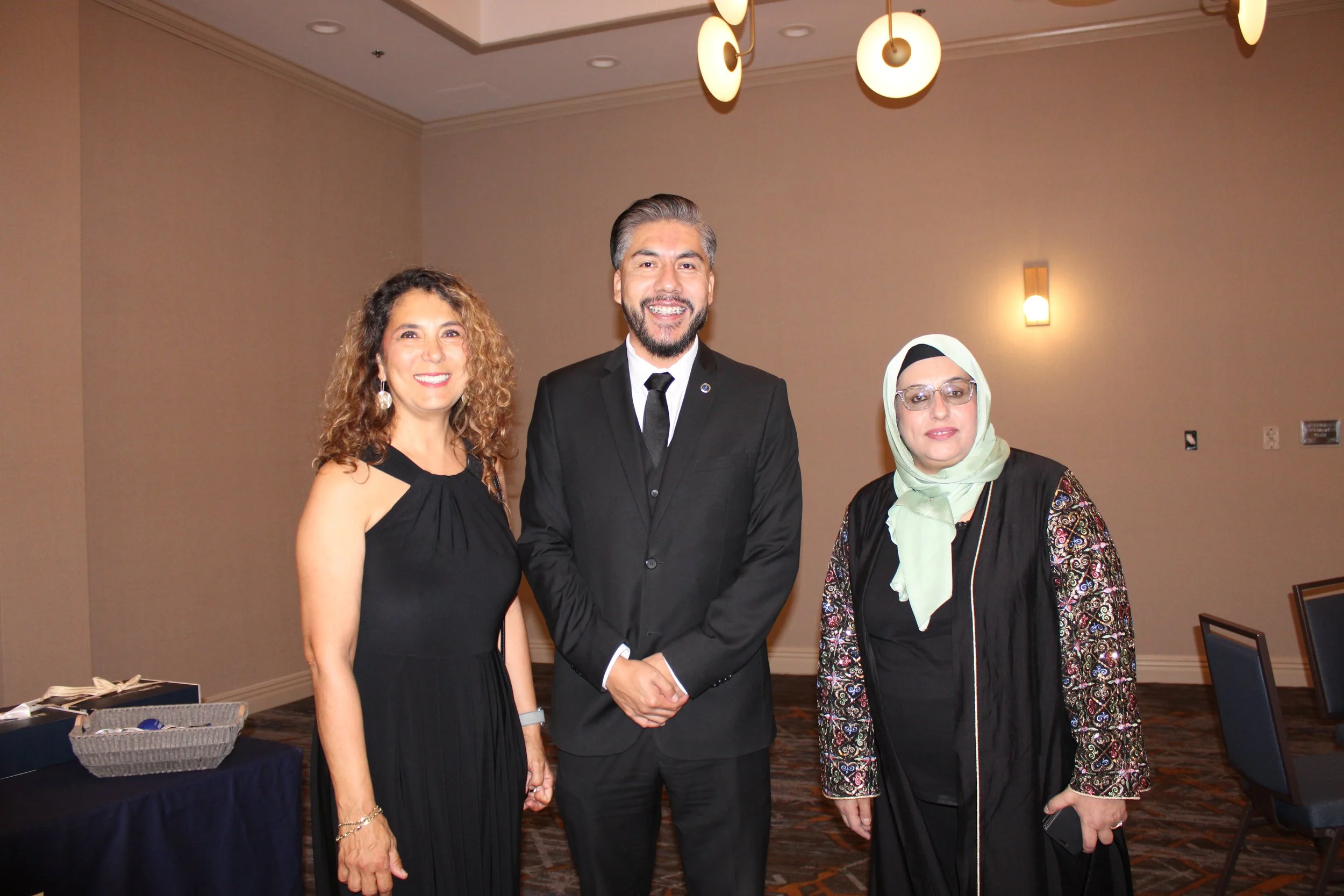
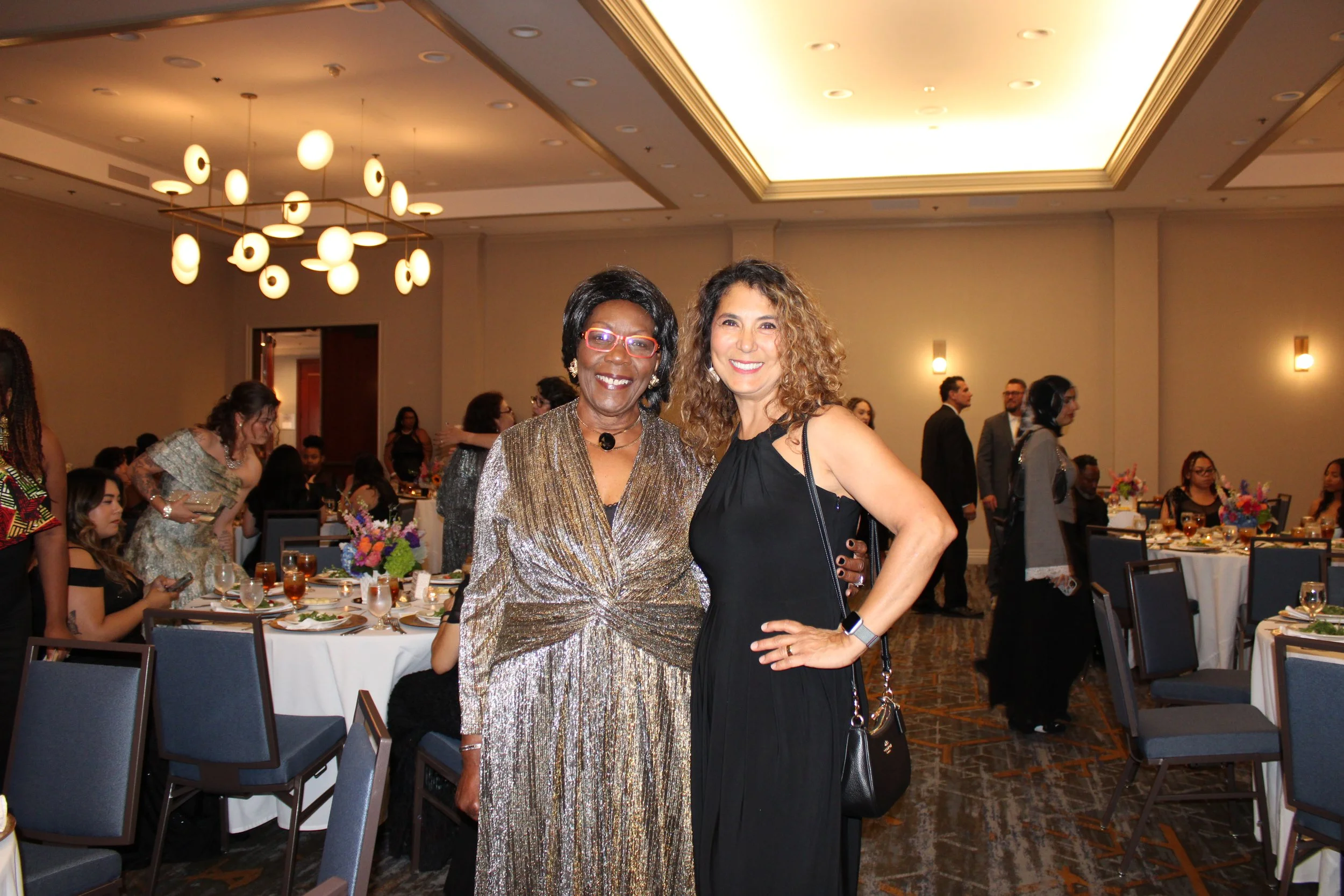
The HMI team and Danny at the CBU Executive Networking Gala