
Inside the Governor's Inland Empire Immigration Roundtable
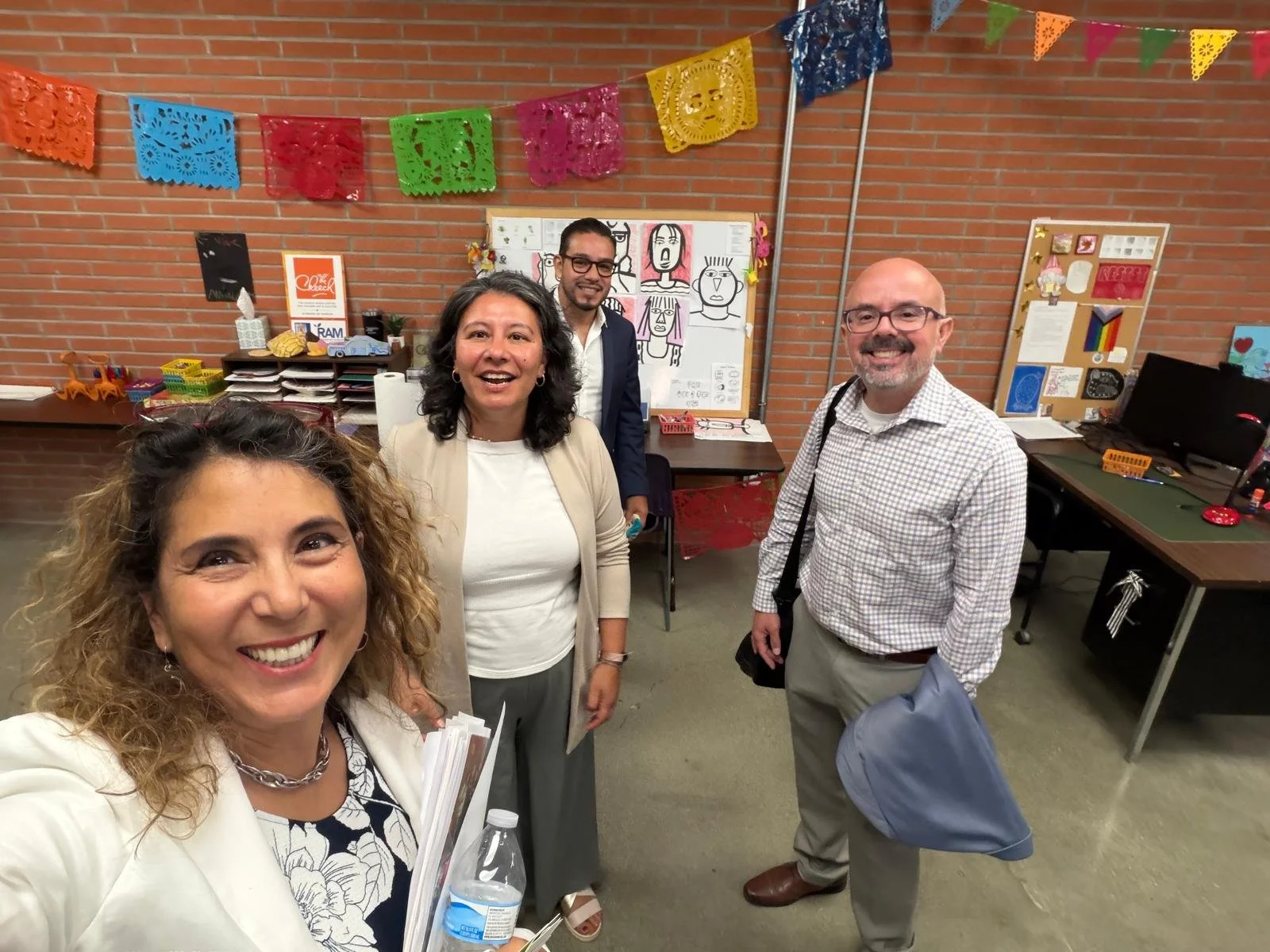
HMI’s President alongside other organizational representatives at The Cheech for the Round Table discussion.
By: Dr. Selin Nielsen
What I Took Away from the Governor Gavin Newsom’s Inland Empire Immigration Roundtable
Last week, I had the privilege of representing Human Migration Institute at the Governor’s Inland Empire Immigration Roundtable. Around the table were leaders from community-based organizations, legal service providers, CDSS, California State Refugee Coordinator Abdi Abdillahi, and other state officials. The purpose was simple: to listen.
Before we ever began talking about programs or funding, we listened to people. The meeting opened in Spanish. A mother from the agricultural community shared her experience. During an immigration enforcement operation, both she and her husband were detained. She pleaded with officers to let her go because her young child needed his mother. They released her, but detained her husband and deported him.
Today she lives with the constant fear that it could happen again. She wakes around midnight to begin harvesting grapes and vegetables in the fields, working long hours so her son can have opportunities she never had. She shared that she never had the chance to learn to read or write, yet she works tirelessly every day to provide for her family. Others also added their own experiences, and we could see that her story was not unique. It set the tone for the rest of the meeting.
When the discussion shifted into English, organizations across the Inland Empire were invited to start with thoughts about what is most needed. Around the room were legal aid organizations, refugee-serving organizations like Lifting Humanity, HMI, and many others working every day with immigrant communities.
THE INLAND EMPIRE IS DIFFERENT
As I listened, one thing became very clear.
The Inland Empire has its own story.
Too often we are treated as an extension of Los Angeles, but anyone who works here knows that is simply not true. We have different communities, different geography, different challenges, and unfortunately, far fewer resources. One speaker described the Inland Empire as a “legal desert”, and it is hard to argue with that. Even when funding exists, there simply are not enough immigration attorneys willing or able to serve the enormous need. But that’s not the only thing.
IMMIGRATION IS MORE THAN LEGAL STATUS
When it was my turn to speak, I shared something we see every day at HMI. Legal services are incredibly important, but they are only one piece of the puzzle. How can someone focus on an immigration case if they cannot communicate in English? How can theystudy English if they are worried about where their children will sleep? How can they build a career if they are living from one temporary immigration status to the next, never knowing what tomorrow will bring?
Integration is never just about legal status.
It is about language, employment, mental health, schools, transportation, community, and belonging. These needs are connected, and no single organization can meet all of them alone.
COLLABORATION MUST BECOME THE NORM
One of the most encouraging parts of the conversation was hearing organization after organization say that we have to stop working in silos. There was an honest recognition that limited funding sometimes causes nonprofits to protect their own piece of the pie instead of building stronger partnerships. That was refreshing to hear because, ultimately, families do not care which organization’s logo is on the brochure. They simply need help, and they need it quickly.
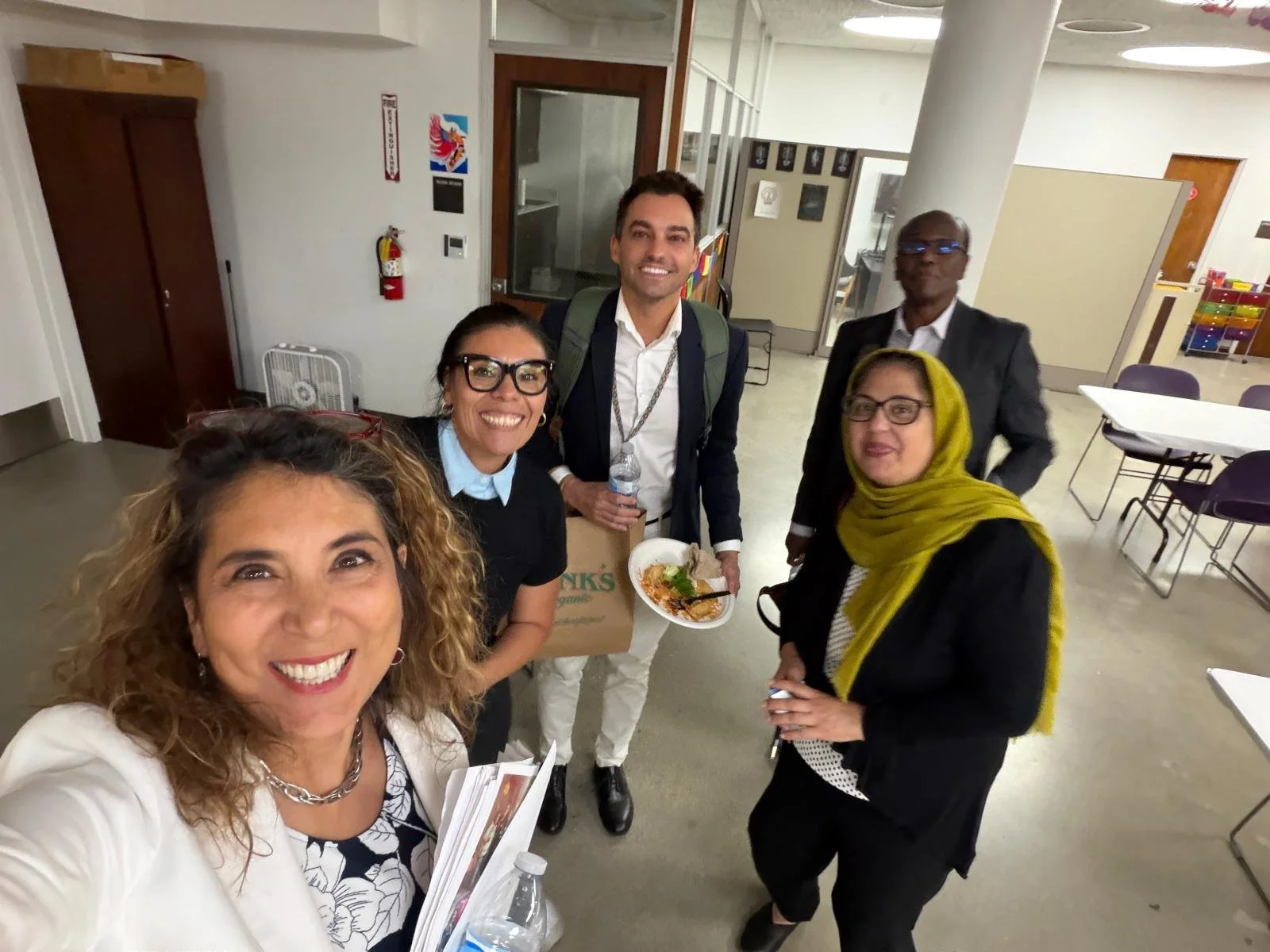
Break time! Chatting in between important conversations about the future of the IE.
Multiple speakers called for stronger regional coordination, shared referral systems, and better communication so families can receive services in real time instead of navigating fragmented systems.
One participant said it perfectly: “If another organization does something better than we do, we should simply refer families there.”
That simple statement reflects a powerful shift in mindset. Our collective goal is not organizational growth. It is community well-being.
But the system existing today limits resources so organizations compete with little available funding. This kills the collaborative approach. All the organizations in the room agreed with this.
Collaboration is something we have believed at HMI from the beginning. This is exactly why we organize the Inland Empire Refugee Forum together with our friends at Lifting Humanity, and the whole Inland Empire community. We have always believed that when organizations know each other, trust each other, and communicate regularly, families receive better support. The roundtable reinforced that this is the direction we need to keep moving.
TRUSTED MESSENGERS MATTER
Another question state officials asked stayed with me. “What messaging is actually working?”
Several organizations described creative outreach strategies that rely on word-of-mouth, community ambassadors, multilingual resource cards, first-generation college students, and social media to reach families who might otherwise remain isolated.
The answers were not surprising; but we all know the issue is not really about messaging at all.
It is about trust.
People trust the neighbor who has already gone through the process. They trust the case manager who helped their family years ago. They trust their church, their school, their children’s teachers, and increasingly, their own college-aged sons and daughters who can explain complicated systems in ways their parents understand. Information only matters if it comes from someone people already trust.
Building trust cannot happen overnight.
It is the result of years of showing up consistently. That is why we NEED community organizations like HMI to continue that the system exists for them, not the other way around.
THE HUMAN COST
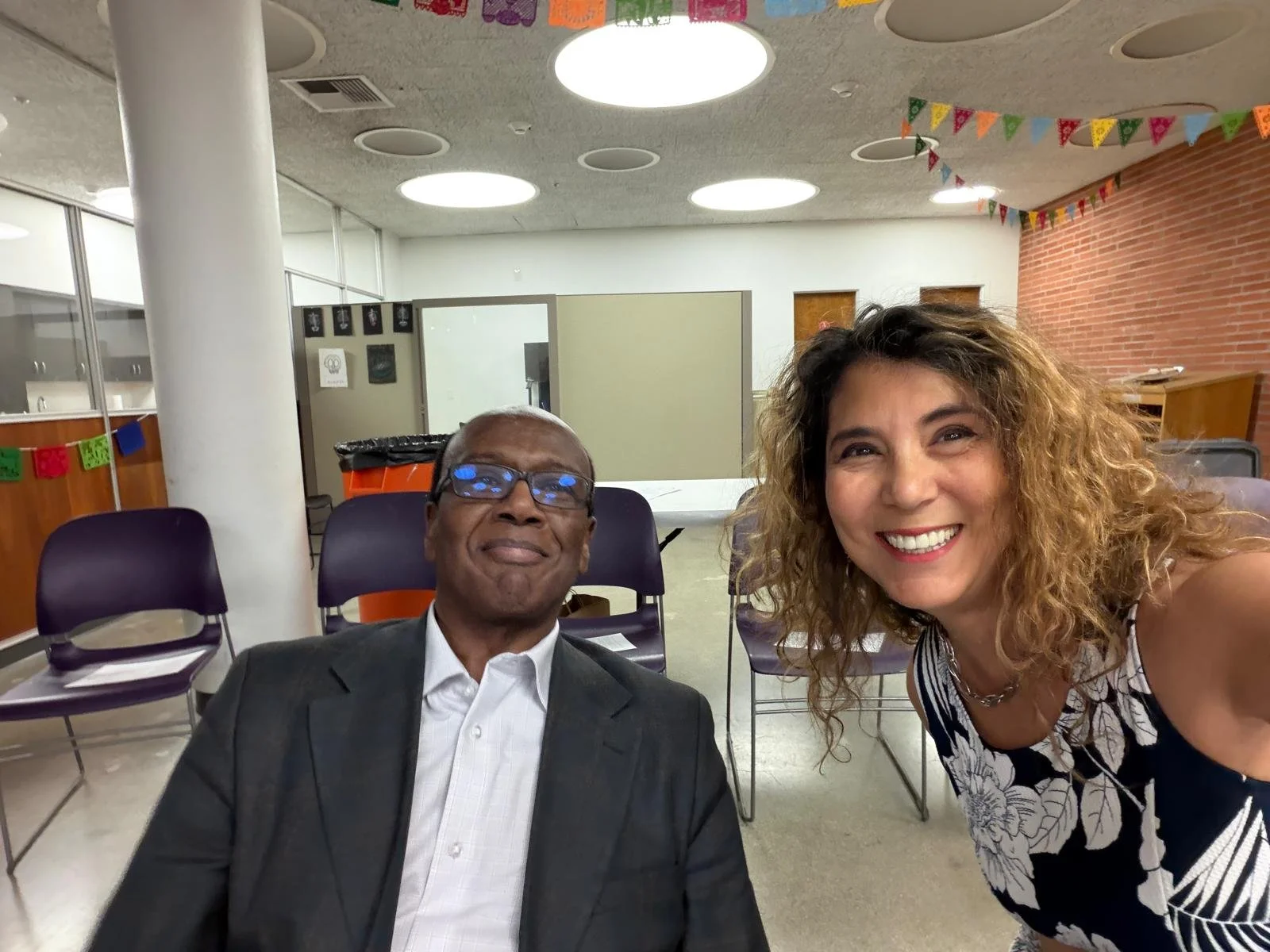
Dr. Nielsen alongside, Abdi, CA State Refugee Coordinator
One thing that also struck me throughout the evening was the emotional weight everyone in the room was carrying. Several participants spoke openly about burnout among nonprofit staff who spend every day responding to emergencies while simultaneously worrying about their own families. Others described community members who now avoid medical appointments, citizenship applications, or even grocery shopping because fear has become so pervasive.
One participant shared her own family’s experience with immigration detention. The room fell silent. Those conversations felt very real. It reminded us that behind every policy discussion is a real person trying to survive.
Human Migration Institute is living some of those same uncertainties. Like many organizations serving newcomers, much of our current funding ends this September. Yet the need is not ending. If anything, it is growing.
90% of our workforce will be forced to be laid off, 99% of our thousands of clients will be left without support, guidance, or hope. This part of the conversation weighed heavy in the room.
SOME HOPE REMAINS
Still, I left a bit hopeful. Not because every problem was solved. Not because new funding (if it arrives) alone will fix everything.
I left hopeful because state leaders came to listen instead of simply telling us what programs already exist. They asked thoughtful questions, listened carefully, and stayed after the meeting to continue the conversation. Some of the most valuable discussions happened after the formal roundtable ended, when people exchanged ideas, contacts, and opportunities to work together.
I was especially encouraged by the conversations we had afterward with CDSS staff about ways HMI can become more connected to California’s Regional Network Hubs, the Immigration Services Funding (ISF) program, and other initiatives supporting newcomer communities.
We also discussed the importance of Riverside County becoming recognized as a refugee-impacted county, something that would strengthen long-term integration efforts throughout the Inland Empire.
Those conversations reminded me that relationships often begin after the meeting is over.
LOOKING AHEAD
I also left with a renewed appreciation for the organizations serving this region. We may not all provide the same services, but we share the same goal. Whether we are helping someone find legal representation, learn English, enroll a child in school, find employment, or simply navigate an unfamiliar system, we are all trying to help people rebuild their lives.
The challenges facing immigrant and refugee families are real, and many organizations are facing an uncertain future as funding comes to an end. But I also saw something encouraging around that table.
I saw organizations willing to collaborate instead of competing. I saw state leaders who genuinely wanted to listen. And I saw people who, despite the challenges, have not lost sight of WHY they do this work.
At HMI, we often say that integration is a community effort.
After spending the evening with so many dedicated partners, I believe that more than ever. When we work together, our communities become stronger, more connected, and better prepared to welcome those who simply want the opportunity to build a safe and meaningful life.